
Explore Different Types of Barcodes and Their Best Uses
Overview: Barcodes come in two main types—1D (linear) and 2D (two-dimensional)—each serving different purposes. 1D barcodes like UPC, EAN, and Code 128 are ideal for retail, logistics, and inventory tracking where simplicity and speed matter. 2D barcodes like QR Codes and Data Matrix store more data in less space, making them perfect for marketing, manufacturing, and advanced tracking.
You see barcodes everywhere—on products, packages, tickets, and even ads. They help businesses track inventory, streamline transactions, and boost efficiency across industries. But here’s something many people don’t realize: not all barcodes are the same. Each type serves a specific purpose and offers unique benefits.
This blog will walk you through the main types of barcodes, the differences between 1D and 2D barcodes, and where each type is best applied.
What Are Barcodes?
Barcodes are visual representations of data that can be read by scanners and other optical devices.
They come in various formats, primarily categorized into two main types:
- 1D (one-dimensional) and
- 2D (two-dimensional) barcodes.
These codes store information in different ways, making some types more suited for certain applications than others. Let’s dive into what makes each type unique and how barcode verification ensures they function correctly.

1D Barcodes: Simple and Widely Used?
1D barcodes, also known as linear barcodes, consist of lines and spaces of varying widths.
- They store data in a linear fashion, which means the information is encoded from left to right.
- These are the most common barcodes you see on everyday products, like grocery items and retail merchandise.
- They are simple, easy to scan, and ideal for applications where a small amount of information is sufficient.

UPC (Universal Product Code)
Retailers across the United States use UPC barcodes to simplify checkout and improve inventory accuracy. Each 12-digit code identifies both the manufacturer and the product, making UPC one of the most widely used barcodes on everyday consumer goods.

EAN (European Article Number)

Code 39
Manufacturers and logistics companies use Code 39 barcodes to track and identify products efficiently. Because they can encode both numbers and letters, these barcodes offer a versatile solution for applications across logistics, manufacturing, and the automotive industry.
Code 128
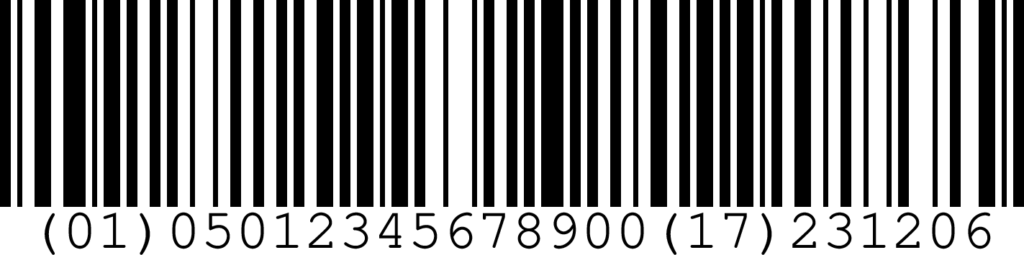
Businesses use Code 128 barcodes for their high data density and versatility. These barcodes can encode all 128 ASCII characters, making them ideal for supply chain management, shipping, and other industries that require detailed product or tracking information.
1D barcodes are best suited for situations where space is not a constraint and the information needed is relatively simple, like product identification or inventory tracking.
They are widely used in retail, warehousing, and logistics, where quick scans and ease of use are essential. Barcode scanning issues are minimized when the correct type of 1D barcode is selected for the task.

2D Barcodes: More Data, More Versatility?
2D barcodes store information both horizontally and vertically, allowing them to hold much more data than 1D barcodes. They can encode complex information, such as URLs, contact details, or even images.
2D barcodes are read by imaging scanners, which can capture the entire code in one go, making them faster and more reliable in some applications.

QR Code (Quick Response Code)
QR codes for their versatility and capacity to store extensive data, including text, links, and multimedia. You’ll often see them in marketing campaigns, on event tickets, and anywhere quick access to a website or app is needed.

Data Matrix
Manufacturers use Data Matrix codes to store large amounts of data in a small, durable format. These compact yet powerful codes are ideal for marking tiny items such as electronic components and parts in the aerospace industry, where precision and traceability are critical.

PDF417
Organizations use PDF417 barcodes when they need to store large amounts of data on a single label. You’ll often find them on documents, driver’s licenses, and shipping labels. Because they handle complex data efficiently, PDF417 barcodes are widely used in logistics, government, and healthcare industries.
Businesses use 2D barcodes when they need to store more information in limited space—such as detailed product data, URLs, or tracking details.
These barcodes work perfectly in marketing, ticketing, and manufacturing, or in any industry that prioritizes compact data storage. Because they hold far more data than 1D barcodes, companies rely on them to integrate multimedia and interactive content into their barcoding systems.

Comparing 1D and 2D Barcodes?
| 1D BARCODES | 2D BARCODES | |
| Data Capacity | Limited to around 20-25 | Can store thousands of characters, including images and binary data |
| Size & Space Efficiency | Less space-efficient; data stored | More space-efficient; data stored both horizontally and vertically |
| Scanning Requirement | Can be read by laser scanners; cost-effective | Require imaging scanners; more expensive but offer flexibility and speed |
| Applications | Suitable for simple applications like retail and inventory management | Ideal for complex data needs, such as linking to websites, storing detailed information, or integrating multimedia |
Choosing the Right Barcode for Your Needs!
Selecting the right type of barcode depends on the specific requirements of your business.
Barcode Verification may look like a small detail, but it keeps the entire supply chain running efficiently. When businesses verify that their barcodes meet quality standards, they prevent costly errors, boost operational efficiency, and maintain customer satisfaction.
By investing in barcode verification, you actively protect your business, streamline daily operations, and ensure every barcode scans correctly wherever and whenever it’s needed.

Intermax helps you take the guesswork out of barcode verification. We guide you in choosing the right verifier for your needs, provide expert maintenance and training, and make sure your barcodes meet compliance standards with confidence. Whether you want to improve barcode quality or need professional advice, our team is ready to help you get it right the first time.
Looking to add Barcode Verification in your Business Operations?
Intermax supports your business with end-to-end solutions, from barcode verification to ensure your labels scan first time, every time, to device setup, remote support, and WiFi services that keep your terminals connected and your team productive.
Let us help you get the most out of your technology investment!
Or