What Are the Legal Requirements for Test & Tag in Australia?

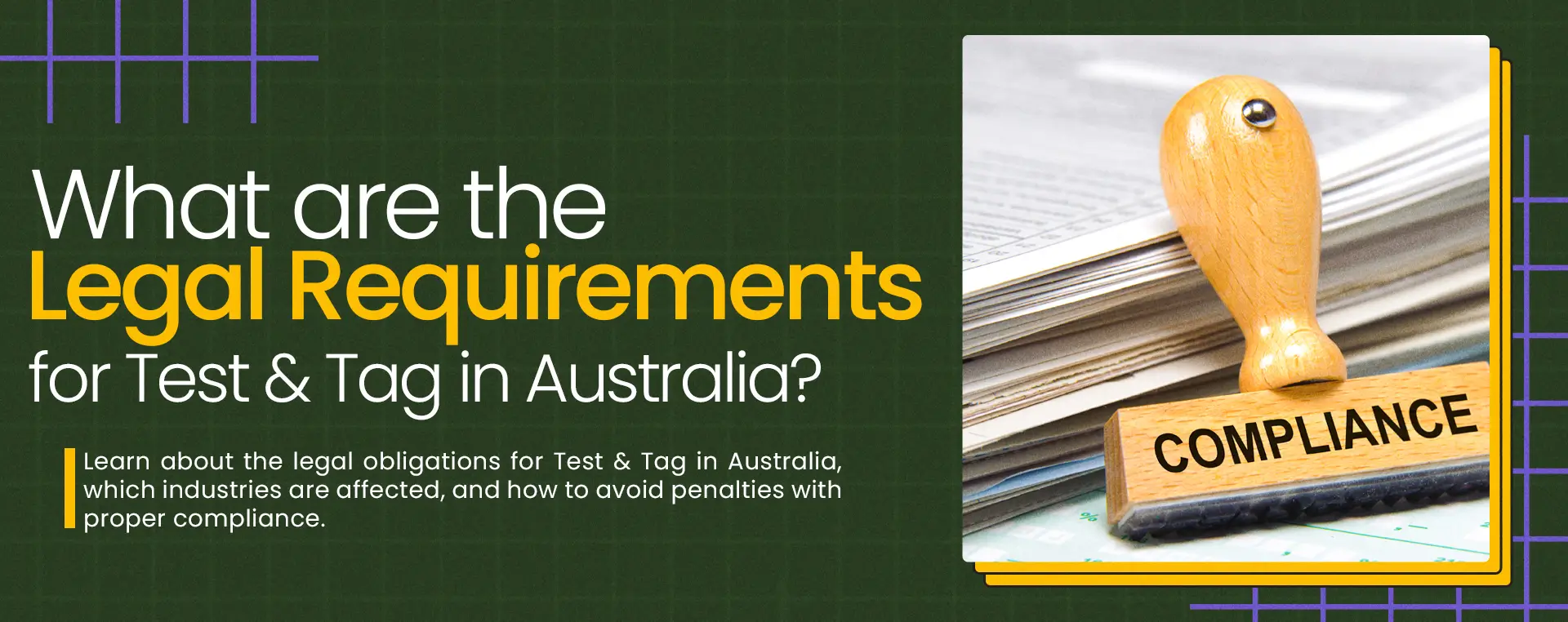
A compliance stamp placed on legal documents, highlighting the importance of adhering to Test & Tag regulations in Australia.

What Are the Legal Requirements for Test & Tag in Australia?

Overview: Many small businesses start off using basic accounting software and spreadsheets to manage their operations. It works—until the warehouse gets busier. If your current system is struggling to keep up with stock tracking, audits, or location management, it may be time to rethink your setup. In this article, we’ll explain how to spot the signs early and what to do next.

Running a business means navigating a range of legal requirements to keep your workplace safe, and Test & Tag compliance is one of those crucial areas. If you’ve ever wondered about the legal obligations surrounding Test & Tag, this guide is for you. 

Here, we’ll cover why Test & Tag is essential, which industries require it by law, and how to ensure your business stays compliant with Australian safety standards.


A legal compliance icon featuring scales of justice, representing the importance of Test & Tag legal obligations for workplace safety in Australia.
1. Why is Test & Tag Legally Required?

In Australia, businesses are legally obligated to keep their workplace safe, which includes the maintenance of electrical equipment. Test & Tag serves as a preventative measure, ensuring that faulty equipment doesn’t lead to workplace injuries. The Occupational Health and Safety (OHS) Act mandates that business owners take proactive steps to eliminate electrical hazards, and Test & Tag plays a key role in fulfilling that responsibility.

A green location pin with a building icon, representing industries with mandatory Test & Tag requirements in Australia.
2. Which Industries Have Mandatory Test & Tag Requirements?

Certain high-risk sectors, such as construction, mining, and manufacturing, are legally required to conduct Test & Tag regularly. For example, the construction industry mandates testing every three months due to the frequent exposure of tools to harsh conditions.

Meanwhile, offices may have more lenient testing intervals but are still encouraged to follow regular inspection schedules to prevent incidents.

A compliance checklist on a clipboard, representing the importance of staying compliant with Australian Test & Tag standards.
3. How to Stay Compliant with Test & Tag Standards

Australian Standard AS/NZS 3760:2010 sets out the guidelines for in-service inspection and testing of electrical equipment. By adhering to this standard, businesses can demonstrate compliance and protect both their employees and clients from electrical hazards. Working with a qualified Test & Tag provider, like Intermax, can make this process seamless, as they ensure your testing practices meet national standards.

A warning icon representing the risks and legal consequences of failing to comply with Test & Tag regulations.
4. Consequences of Non-Compliance

Failure to meet Test & Tag requirements can lead to significant legal and financial repercussions. Non-compliance may result in hefty fines, increased liability in case of incidents, and damage to your business’s reputation. By keeping up with Test & Tag, you’re not only protecting your employees but also safeguarding your business against avoidable legal risks.

Stay Compliant with Intermax Test & Tag

Test & Tag is more than just a routine task—it’s a legal requirement that helps maintain a safe, compliant workplace. Ensuring your business meets these obligations can prevent costly fines and contribute to a safer work environment. Intermax offers Test & Tag services that comply with Australian standards, making it easier for your business to stay on the right side of the law.

Ensure compliance today.

Contact Intermax to book your Test & Tag service and protect your business.

Power lead with a Test & Tag certification label, promoting 3 months of free Test & Tag services for equipment purchases.
Previous Post
What is Test & Tag? A Complete Guide for Businesses
Next Post
How Often Should You Test & Tag Electrical Equipment?