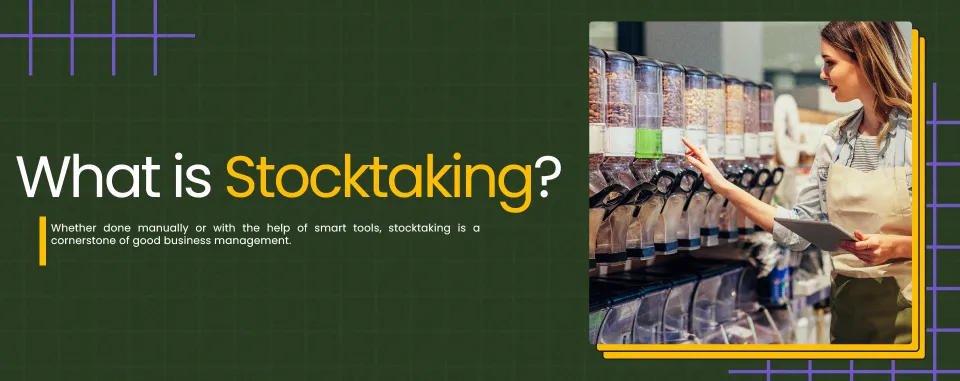
What Is Stocktaking?
Overview: Stocktaking is the process of physically counting inventory to ensure your records match actual stock levels. It plays a crucial role in accurate financial reporting, inventory management, customer satisfaction, and cost control. While traditional manual stocktaking is still used, smart stocktaking using barcode scanners and inventory software—helps reduce errors, save time, and provide real-time updates. Whether done annually or continuously, regular stocktaking is essential for efficient business operations and keeping your customers happy.
Manual Stocktaking
sometimes called inventory counting, is when staff physically check and record all the items a business has in stock. This can include:
- Raw materials for production
- Products in progress
- Finished goods ready for sale
The aim is to make sure that what’s recorded in your inventory system matches what’s actually in your storeroom, shelves, or warehouse floor.
Let’s walk through why stocktaking is important
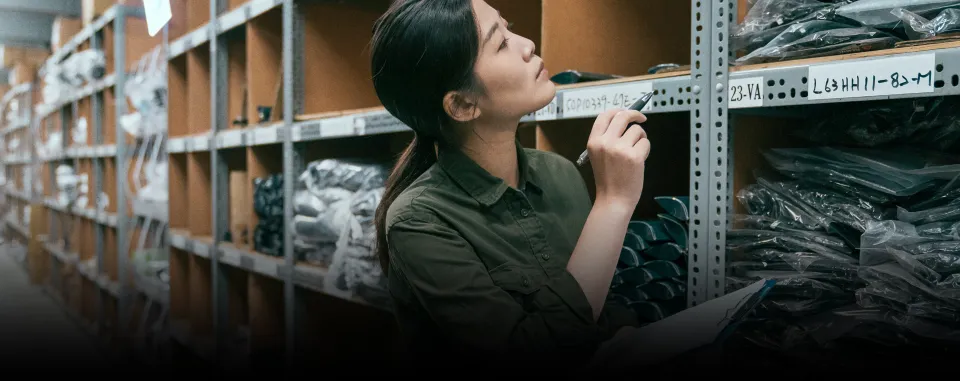
Why Is Stocktaking Important?
- Accurate Financial Records – Inventory is often one of the largest assets in a business. Stocktaking helps ensure financial reports reflect the true value of your stock, which is vital for calculating profit, tax obligations, and business performance.
- Better Inventory Management – It’s common to have too much of one item and not enough of another. Stocktaking helps identify these issues so you can avoid overstocking (tying up cash in unsold goods) or understocking (losing sales because you ran out).
- Happier Customers – Accurate stock levels help you avoid situations where customers order something that’s actually out of stock. This protects your reputation and keeps customers coming back.
- Cost Control – Holding too much stock increases storage costs, while running out of fast-moving products leads to lost sales. Stocktaking helps maintain the right balance.
Types of Stocktaking
Challenges of Manual Stocktaking

Smart Stocktaking: A Modern Alternative
While manual stocktaking is still widely used, many businesses are moving towards smart stocktaking – using technology like barcode scanners, mobile computers, and inventory management software to streamline the process.
Benefits of Smart Stocktaking:
Smart Stocktaking can be done in the same formats as manual counts (periodic, continuous, or spot checks), but with far greater efficiency and accuracy.
How Often Should You Stocktake?
The right frequency depends on your business:
What Happens if You Choose Wrong?
Choosing the wrong printing method can cost more than just the price of a label:
We’ve seen it happen: a business uses Direct Thermal for long-term tracking or cold storage—and ends up with blank or damaged labels that cause real disruptions.

Strategic Stocktaking: The Secret to Smarter Inventory
Stop guesswork. Regular, strategic stocktakes help avoid stockouts, clear inaccuracies, and give your business real momentum.
Why Stocktaking Matters More Than You Think
Stocktaking isn’t just about ticking boxes, it’s about giving your business the visibility and control it needs to grow. Done right, it helps you make smarter financial decisions, keep customers happy, and prevent costly surprises. The secret? Consistency. Whether you use manual checks or smart tools, accurate stocktaking builds the foundation for efficiency and long-term success.
At Intermax, we bring together barcode scanners, mobile computers, and advanced stocktaking software to modernize the way you manage inventory. Whether you run a small retail shop or a large warehouse, our team will tailor the right solution so your stock stays accurate, your operations run smoothly, and your business keeps moving forward.
Smarter Stocktaking Starts Here
Intermax offers expert support, barcode verification services, and hardware solutions to keep your operations running smoothly and compliantly.
Or