2026 Amazon Barcode Compliance: Official GS1 & Verification
Overview: This guide explains the critical 2026 shifts in Amazon and GS1 compliance, specifically for new sellers. Learn why professional verification is now the only way to protect your brand from “recycled” barcode risks and warehouse rejections.
For a new business owner, the journey from a product idea to a live listing on Amazon often feels like a sprint. In the rush to launch, it is tempting to cut costs by purchasing barcodes (like UPCs) from third-party websites. On the surface, it seems like a harmless shortcut. However, in the modern retail landscape, this is one of the most common pitfalls that can lead to suppressed listings, rejected shipments, or account suspension.
As of 2026, the rules regarding product identification have become even more standardised. This guide explores the risks of the “secondary barcode market” and how to protect your business through proper compliance and verification.
The Reality of “Cheap” Online Barcodes
Third-party resellers often offer “official UPCs” or pre-owned EAN13 Codes for a fraction of the cost of GS1 Membership Codes, the global authority that manages barcode standards. While these numbers might be technically “valid,” they carry a significant data mismatch risk.
The “Recycled Number” Problem. Many resold barcodes are “recycled.” They often belong to a “Company Prefix” originally issued decades ago to a business that may no longer exist. Because the GS1 global registry (GEPIR) still links that prefix to the original owner, a data conflict occurs. If you use a barcode registered to a defunct 1990s factory for your new skincare line, the system sees a red flag.
Fact Check: The Amazon & GS1 Partnership
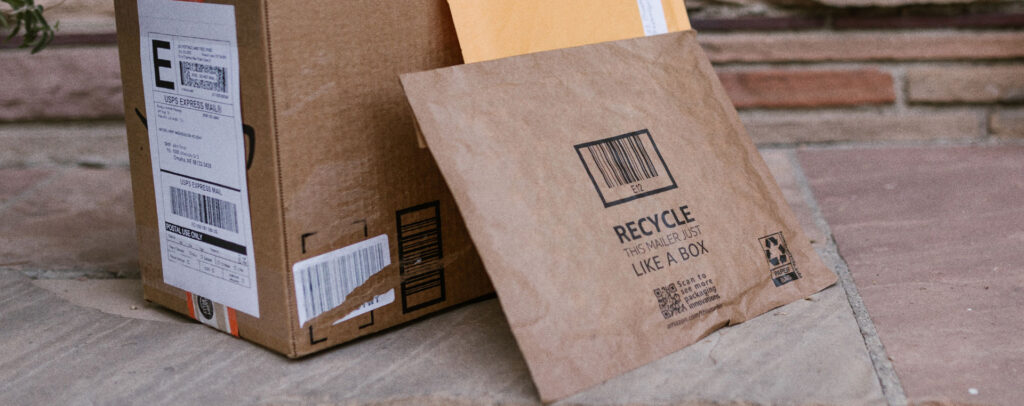
Amazon has significantly tightened its grip on barcode integrity to combat counterfeiting and messy inventory data.
- Real-Time Verification. Amazon’s automated systems now cross-reference every UPC against the GS1 GEPIR database. If the “Company Prefix” doesn’t match your registered Brand Name or Legal Entity, your listing can be suppressed.
- The 2026 Traceability Shift. As of March 31, 2026, Amazon has ended “commingling” (pooled inventory) for most sellers. While Brand Owners (enrolled in Brand Registry) can still use manufacturer barcodes, resellers are now required to apply Amazon-specific FNSKU labels (X00 series) to every single unit to ensure total traceability.
Why “It Scans on My Phone” Isn’t Enough
A common mistake for new sellers is testing a barcode with a smartphone. If it “beeps,” they assume it’s production-ready. However, smartphone cameras use advanced software to “interpret” damaged or blurry codes.
In contrast, high-speed industrial scanners in fulfillment centers are far less forgiving. If your barcode has poor contrast, “ink bleed,” or insufficient “Quiet Zones” (the white space on the sides), the scanner will fail. When inventory cannot be scanned, Amazon may charge “unplanned service fees” for manual relabeling or even reject the entire shipment.
The Solution: A Two-Step Safety Net
To build a professional, scalable business, follow this objective path to compliance:
1. License Directly from GS1
The only way to guarantee a barcode is legally yours is to license it from GS1. This ensures that your brand name is the one that appears when a retailer or marketplace pings the global database. It is a one-time setup that provides long-term peace of mind and a full “Certificate of Ownership.”
2. Professional Barcode Verification
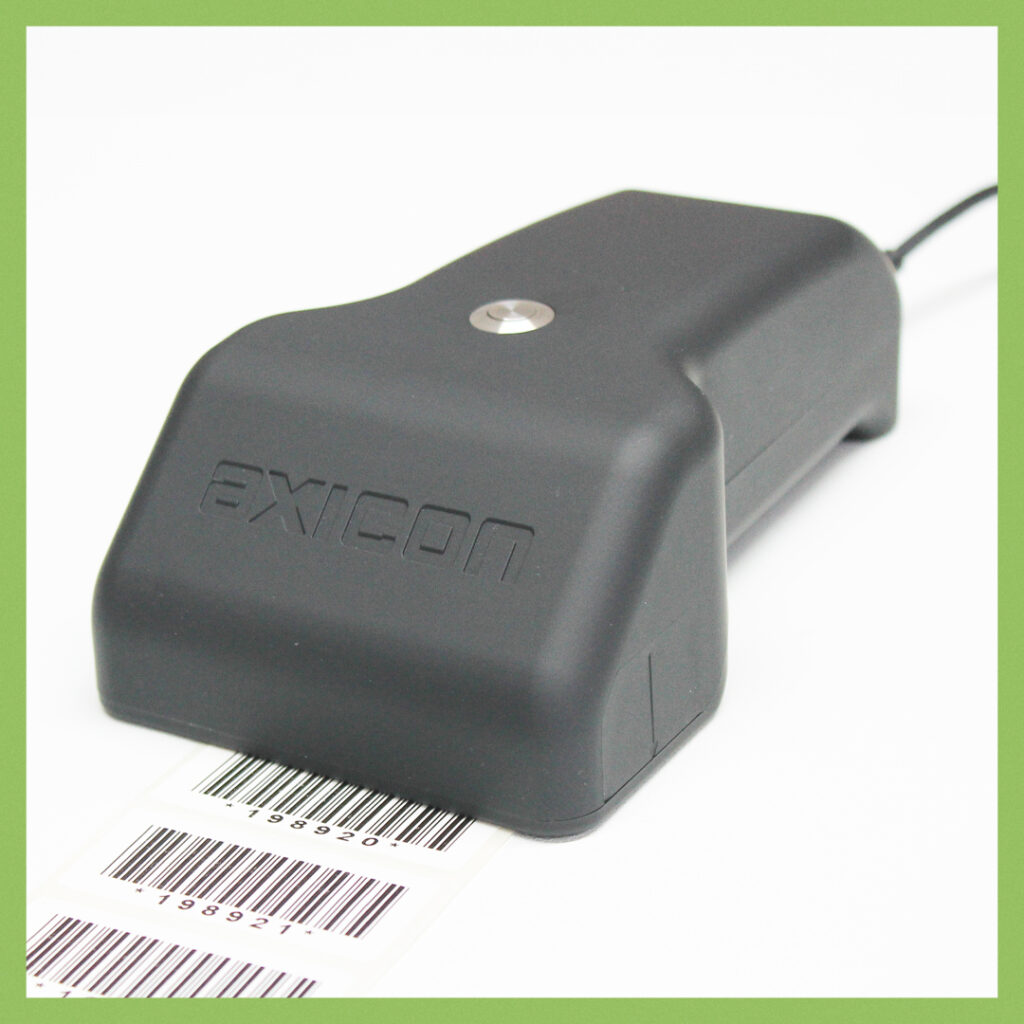
Even a legitimate GS1 number is useless if the print quality is poor. Barcode Verification is a diagnostic process that grades a barcode (from A to F) based on ISO/IEC international standards.
New businesses can leverage services like those provided by Intermax Barcode Verification. Rather than investing in expensive hardware, you can send a physical sample of your packaging to their lab. They provide a certified report confirming that your barcode meets the contrast and structural requirements of global retailers. This “Grade A” certification is your insurance policy against warehouse rejections.
| Risk | Impact | Solution |
|---|---|---|
| Resold/Third-Party UPCs | Listing suppression; "Inauthentic" flags. | License directly from GS1. |
| Poor Print Quality | Rejected FBA shipments; relabeling fees. | Perform ISO-grade Verification. |
| 2026 Traceability Rules | Increased scrutiny on non-brand sellers. | Use FNSKU labels for reselling. |
In the fast-paced world of e-commerce, the barcode is the “DNA” of your product. If that DNA is mismatched or unreadable, the retail system simply cannot process it. By securing your numbers through GS1 and ensuring your print quality through a partner like Intermax, you remove the technical hurdles that trip up thousands of new sellers every year. Don’t let a minor shortcut become a major roadblock for your brand.
Ready to Secure Your Supply Chain?
Don’t let barcode errors stall your business growth or lead to costly retailer penalties. With Intermax Barcode Verification, you can access ISO-certified testing to ensure your products meet global standards before they ship.