

Robots vs. CoBots: Smarter Automation for Warehouses
Overview: CoBots (Collaborative Robots) are transforming warehouse automation by working safely alongside humans—unlike traditional robots that require isolation. They handle repetitive tasks like picking and packing, improve accuracy, and scale easily as your needs grow. With flexible programming and minimal setup, CoBots make automation more accessible than ever. Intermax helps you get started with the right CoBot strategy to boost productivity, reduce manual strain, and future-proof your operations.
Automation is no longer a vision of the future—it’s happening now. One of the most impactful developments in this space is the rise of CoBots (Collaborative Robots). Unlike traditional robots, CoBots are designed to work safely alongside humans, opening new opportunities for efficiency and innovation in warehousing and logistics.
But what makes CoBots different, and how can they transform day-to-day operations?
Robots vs. CoBots: What’s the Difference?
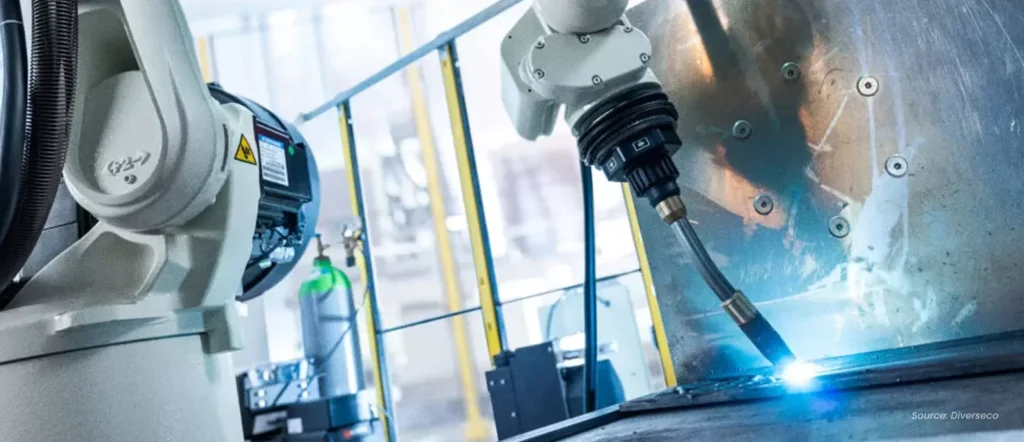
Traditional Industrial Robots
These robots are built for repetitive, high-precision tasks in controlled environments—like robotic arms on an automotive production line. They’re often large, operate behind safety barriers, and require complex programming to change functions. While excellent at doing one job efficiently, they lack flexibility and cannot adapt quickly to new tasks or layouts.
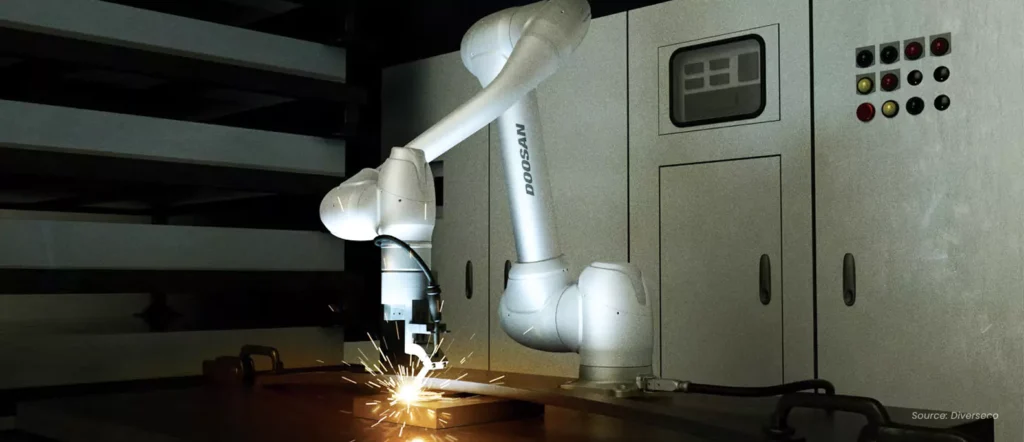
CoBots (Collaborative Robots)
CoBots are a new generation of robots equipped with sensors, AI, and user-friendly interfaces. They’re designed to safely share workspaces with humans. Unlike their industrial counterparts, CoBots are easily reprogrammable, adaptive to their environment, and require minimal setup. This makes them ideal for dynamic warehouse settings where flexibility and collaboration are key.
How CoBots Are Changing Warehousing and Logistics

Automating Repetitive Tasks
Picking, packing, restocking—these are all necessary but repetitive tasks that can drain human energy. CoBots can take over these duties, allowing your team to focus on higher-level tasks that require decision-making and creativity.

Improving Accuracy and Reducing Errors
CoBots operate with precision and consistency, helping reduce inventory errors. Their ability to adjust in real-time means they can maintain performance during peak periods or when workflows suddenly shift.

Enabling Human-Robot Collaboration
Unlike traditional robots that require isolation, CoBots thrive in collaboration. They can support workers during high-demand shifts, increasing productivity without adding strain to your workforce. This synergy fosters a culture of innovation and tech empowerment.

Easy to Scale
CoBots are now more affordable than ever. Businesses—especially those with limited labor resources—can start small, trial their use in specific areas, and expand as they see positive returns. This makes automation more accessible and less risky.
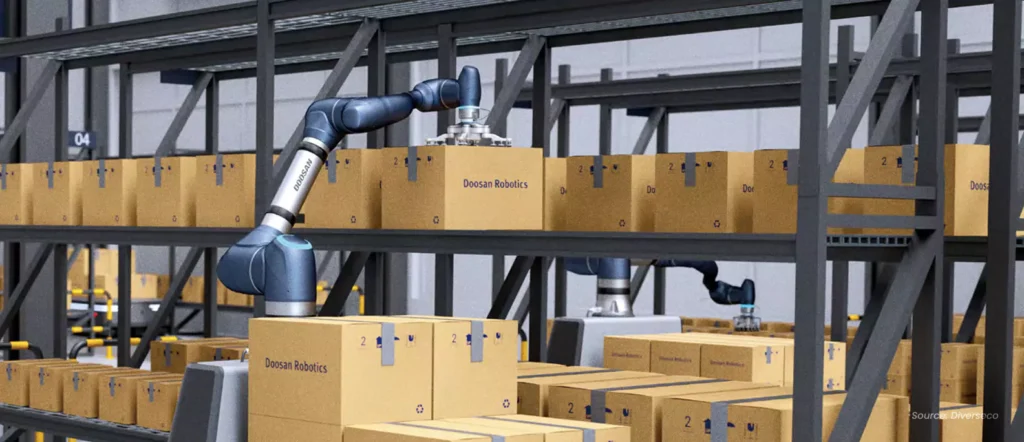
How to Get Started with CoBots
- Step 1: Assess Your Workflow
Map out current tasks and identify repetitive or physically demanding jobs. These are prime areas where CoBots can make an immediate impact. - Step 2: Start with a Pilot Project
Start small. Don’t jump in all at once. Begin with a small deployment in one area of your warehouse. Measure productivity, accuracy, and employee feedback to evaluate ROI. - Step 3: Train Your Team
Successful CoBot integration relies on your people. Offer training that builds comfort and confidence in using the new tech. The more engaged your team, the smoother the transition. - Step 4: Review and Improve
Automation isn’t a “set and forget” solution. Track performance metrics, listen to team feedback, and fine-tune how CoBots are used. The more they work, the more they learn—and the more you benefit.
CoBots are more than just machines—they’re tools for smarter, safer, and more flexible operations. With their unique ability to collaborate with humans, CoBots are well-suited for warehouses and logistics operations aiming to reduce errors, relieve tedious labor, and boost overall productivity.
Ready to take your warehouse automation to the next level?
Intermax helps businesses integrate CoBots that reduce errors, ease manual workloads, and drive productivity.