How IoT Is Transforming Warehousing and Logistics
Overview: The Internet of Things (IoT) is revolutionizing warehousing and logistics by connecting devices to deliver real-time data and smarter decision-making. From inventory tracking and temperature monitoring to predictive maintenance, fleet management, and warehouse security, IoT boosts accuracy, reduces downtime, and streamlines operations. Businesses embracing IoT today gain a competitive edge in speed, safety, and efficiency. Intermax helps you unlock the full potential of IoT—from shelf to shipment.
The rise of the Internet of Things (IoT) is changing how warehouses and logistics operations run. By connecting physical devices through the internet, IoT allows businesses to gather and act on data in real time—making supply chains smarter, faster, and more efficient.
Let’s explore how IoT is already delivering tangible benefits across the warehousing and logistics industry.

1. Real-Time Inventory Management
With IoT sensors installed on shelves and products, businesses gain continuous visibility over stock levels. These sensors track movement, count units, and send instant updates, helping reduce overstock, prevent stockouts, and ensure timely reordering. The result? Improved inventory accuracy and fewer disruptions during peak demand.
2. Environmental Monitoring
Warehouses handling temperature-sensitive or perishable goods must maintain strict environmental controls. IoT-enabled temperature and humidity sensors provide 24/7 monitoring and trigger alerts if conditions fall outside the set range. This protects product integrity, reduces spoilage, and ensures regulatory compliance—especially in industries like food, pharmaceuticals, and chemicals.
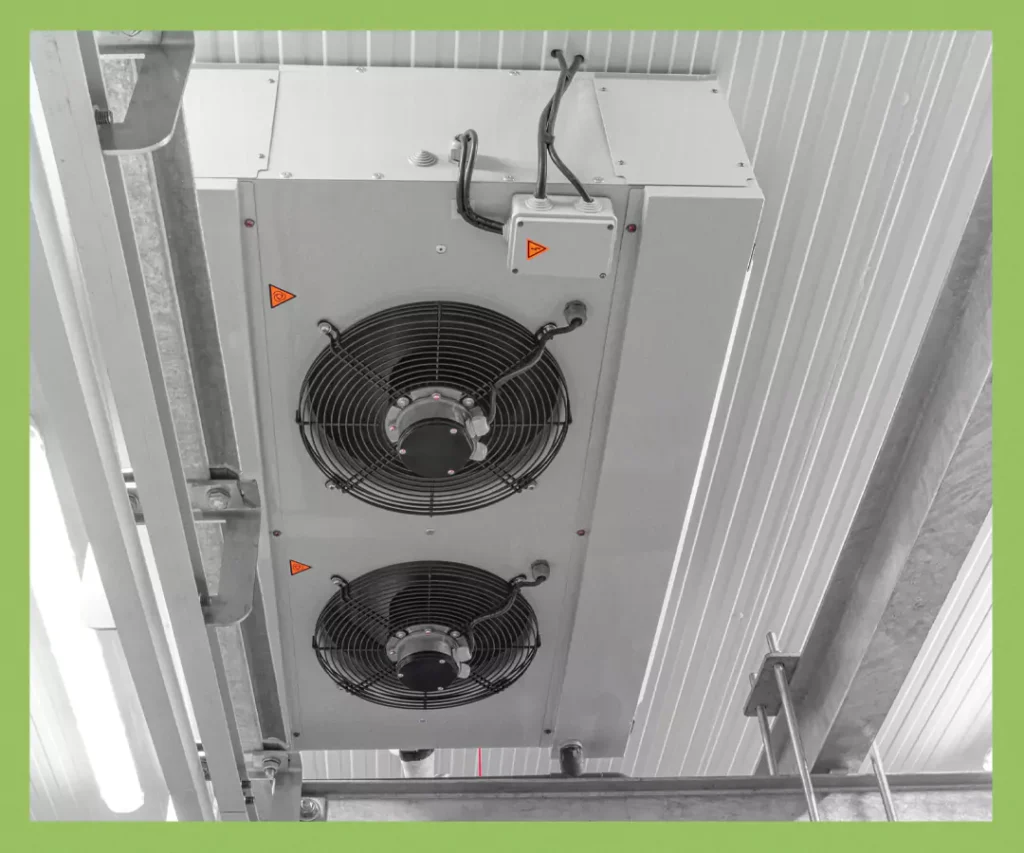

3. Predictive Maintenance
IoT devices attached to forklifts, conveyors, and other warehouse machinery can track usage patterns and monitor for signs of wear. This data is used to predict maintenance needs before breakdowns occur, avoiding costly downtime and extending equipment lifespan. Think of it as giving your warehouse machines a health check—before they get sick.
4. Enhanced Security and Safety
IoT is making warehouses more secure and safer for workers. Smart surveillance systems, motion detectors, and access control devices can detect unusual activity and restrict access to sensitive zones. In emergencies, these systems can also assist in faster response, making the workplace more secure and compliant with safety protocols.

5. Smarter Fleet and Route Management
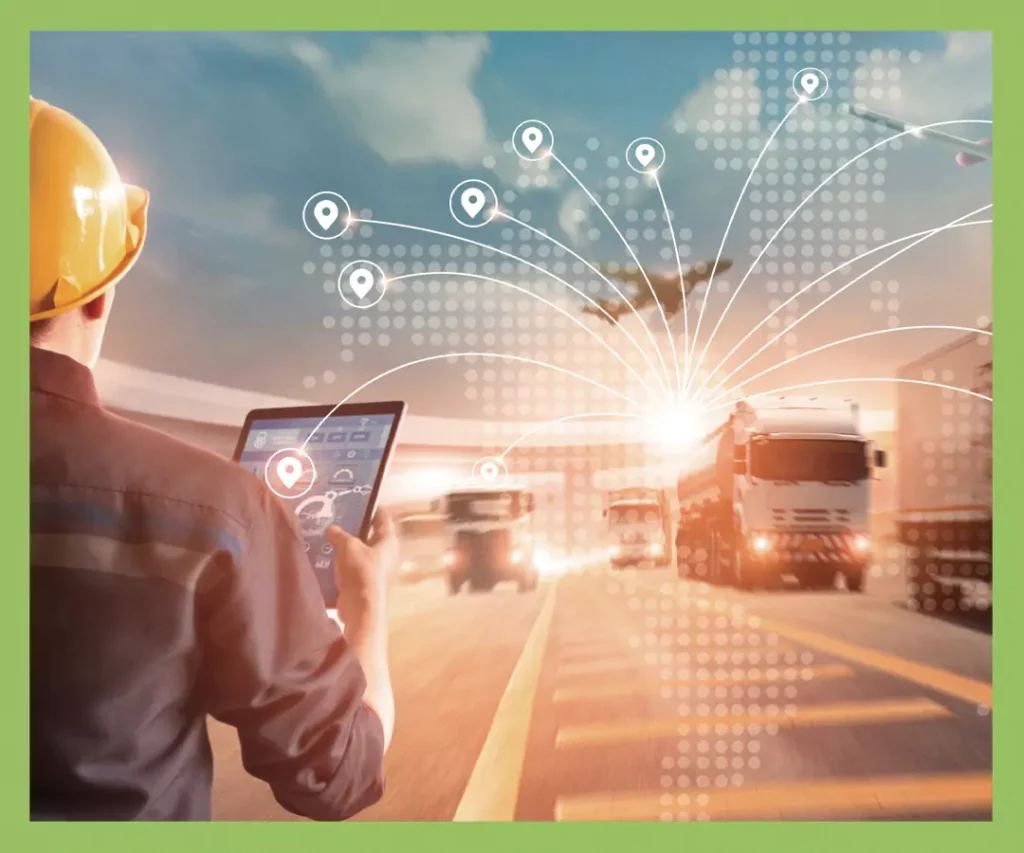
In logistics, vehicles equipped with IoT tracking devices can report real-time location, monitor driver behavior, and provide live updates on delivery status. With this data, businesses can optimize delivery routes, reduce fuel consumption, and improve on-time performance. This is especially valuable in last-mile delivery and fleet-intensive operations.

Barcodes Are Evolving—Are You Ready?
From smarter scanning to AI integration, here are 4 trends shaping the future of barcode tech.
As IoT technology advances, its impact on warehousing and logistics will only deepen. Soon, more businesses will operate facilities where every asset is connected, monitored, and optimized—from pallet to truck, from shelf to customer. With real-time insights guiding daily operations, companies can improve speed, safety, and decision-making.
Adopting IoT isn’t just about keeping up with the trend—it’s about staying competitive. Businesses that integrate IoT into their logistics and warehousing systems today are building the foundation for long-term efficiency, resilience, and growth.
Exploring IoT for your warehouse or fleet?
Intermax offers expert support, barcode verification services, and hardware solutions to keep your operations running smoothly and compliantly.
Or