Optimizing Warehouse Ops: Critical Role of Local Proxies
Overview: A local proxy server is a critical yet often overlooked component in warehouse IT infrastructure. It keeps device sessions alive when workers move out of WiFi range, boosts security by filtering unsafe traffic, improves network speed through caching, and ensures stable, low-latency connections essential for WMS and scanning workflows. While cloud proxies can introduce lag and dependency on external networks, a locally hosted proxy delivers faster, more reliable, and more controlled performance—making it the smarter choice for modern, high-demand warehouse operations.
In today’s dynamic warehouse environments, reliable internet connectivity is as vital as oxygen. Companies like Intermax have transformed the logistics and supply chain industry with its comprehensive WiFi solutions, strategically arranging access points to prevent dead spots.
Amidst this digital transformation, the unsung hero often overlooked is the Proxy Server
Understanding the Proxy Server: Your Warehouse’s Digital Middleman
Let’s simplify the concept of a proxy server. Think of it as a middleman between the computers and devices in your warehouse and the vast internet. When someone in your warehouse wants to visit a website or download information, they send out a request. Instead of going directly to the internet, this request goes to the proxy server first. The proxy server then steps out, gets what’s needed from the internet, and brings it back to the device in your warehouse.
It’s like having a personal shopper who goes out to fetch whatever you need from the internet, while you stay safely inside your warehouse. This not only keeps things orderly but also ensures that your requests are handled efficiently and securely while also being held if you are out of WIFI range or in a black spot.
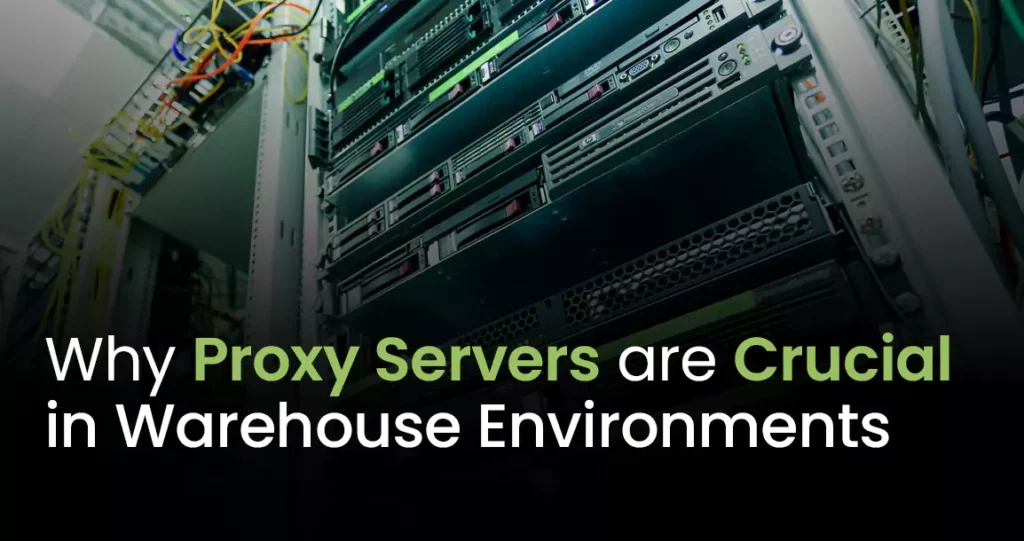
Why Proxy Servers are Crucial in Warehouse Environments
Power Your Workforce with Intermax Mobility Solutions
Equip your team with fast, reliable mobile devices designed for warehouse, logistics, and field operations.
The Debate: Local vs. Remote Proxy Services
In the era of cloud computing, the question arises: should proxy services be hosted locally or remotely?
The Local Advantage in Warehouse Proxy Services
While cloud solutions are increasingly popular for many IT services, in the context of warehouse operations, local proxy servers offer distinct advantages in terms of performance, reliability, and control. As companies like Intermax continue to pioneer in providing comprehensive WiFi solutions, the inclusion of an optimally configured local proxy server could be the keystone in ensuring uninterrupted, efficient, and secure operations in the demanding world of warehouse logistics.
While we marvel at the advancements in warehouse connectivity, let’s not overlook the importance of a well-strategized proxy server setup. It’s not just an add-on; it’s a critical component that keeps the digital gears of our warehouses running smoothly.
Ready to Optimise Your Barcode Tech?
Intermax supports your business with end-to-end solutions, from barcode verification to ensure your labels scan first time, every time, to device setup, remote support, and WiFi services that keep your terminals connected and your team productive.
Let us help you get the most out of your technology investment!
Or